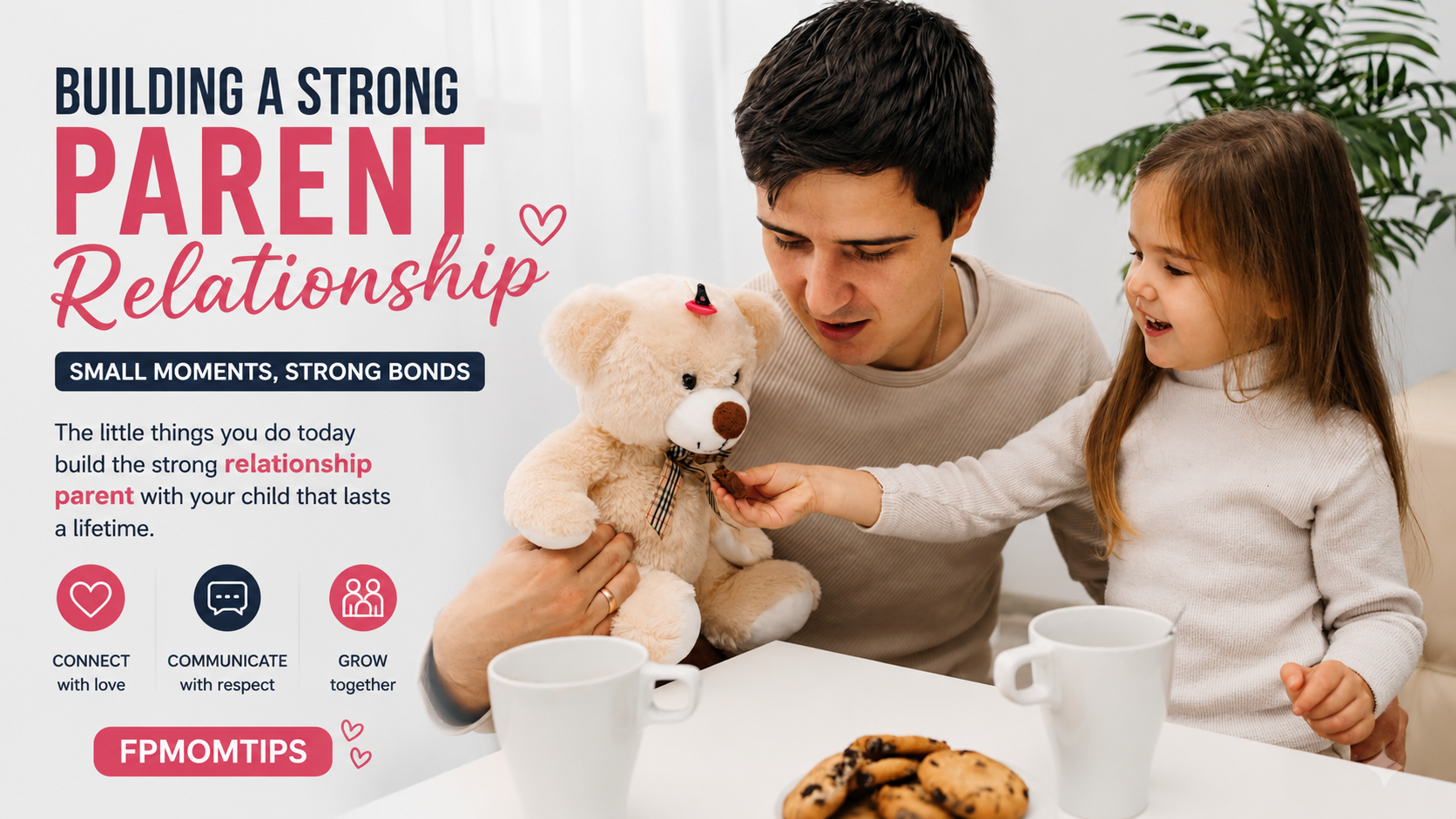
If you searched for relationship parent fpmomtips, you likely want one thing: a calmer home and a closer bond with your child. That goal isn’t fancy. It’s deeply human. You want less conflict, more trust, and a family rhythm that feels warm instead of draining.
Effective parenting usually isn’t built on long lectures or flawless strategies. It grows through small moments and steady connection. The way you listen, respond, and repair after hard days shapes your child more than one flawless rule ever could. That’s where real progress begins.
What Relationship Parent Fpmomtips Really Means
At its heart, this idea focuses on the parent-child bond before pressure, noise, or control. It reminds you that parenting works better when you build trust first. A child who feels seen usually listens more and fights less. Connection opens doors that force often slams shut.
This approach doesn’t mean letting kids run the house. It means leading with emotional awareness and clear guidance. You stay kind while staying firm. Think of it as guiding the journey with patience and consistency rather than reacting impulsively whenever challenges arise.
Why the Phrase Matters for Modern Families
Today’s families juggle screens, school stress, busy workdays, and emotional overload. Because of that, modern parenting needs more than rules on paper. It needs flexible tools that work in real life. Parents don’t need magic. They need simple habits that lower tension and build trust fast.
Connection Before Correction
Many parents jump straight to fixing behavior. That’s normal. Still, children respond better when you connect before you correct. A gentle tone, direct eye contact, and a single clear instruction are often far more effective than delivering a lengthy lecture. Emotional connection helps your child feel safe enough to listen.
When a child melts down, your first job isn’t to win. It’s to guide. That shift changes everything. How can I make this stop immediately? ask. “What does my child need to settle?” Asking that question often encourages more positive behavior while helping build a stronger, healthier relationship over time.
A Quick Daily Example
Imagine your child throws a bag across the room after school. You could snap back. A gentle tone, direct eye contact, and a single clear instruction are often far more effective than delivering a lengthy lecture.
Then you can handle the behavior with clear limits and calm authority.
Emotional Safety Starts Small
Children notice your tone long before they process your words. A harsh voice can shut them down in seconds. A warm tone keeps the door open. That’s why emotional safety starts with tiny choices such as your expression, pace, and how quickly you react.
Safety also grows through predictability. Kids relax when they know what happens next. Mealtimes, bedtime rituals, and after-school routines create family stability. These patterns don’t need to look perfect on Instagram. They just need to feel dependable enough that your child knows the ground won’t keep moving. For more details, Click here
Words That Calm Tension Fast
Simple phrases work wonders during hard moments. Instead, say things like “I’m here for you” or “Let’s work through this together.” These simple phrases encourage a calm conversation while still maintaining appropriate boundaries. They don’t solve every problem. Still, they lower fear. And once fear drops, teaching becomes easier, and arguments lose their fuel.
Boundaries Still Matter
A warm home still needs rules. Children feel safer when adults act like adults. Clear boundaries teach respect, patience, and self-control. Without them, family life turns into snack chaos. The goal is not fear. The goal is a healthy structure that helps everyone know the limits.
Rules work best when they stay simple and consistent. Don’t stack five warnings on top of one weak consequence. Say what you mean and follow through calmly. That approach teaches natural consequences better than shouting ever will. Kids may test limits. That’s normal. Your steadiness teaches them.
Gentle Discipline Is Not Weak
Some people confuse gentle parenting with soft parenting. They aren’t the same thing. Gentle discipline means you stay respectful while staying in charge. You don’t shame. You guide. That balance builds mutual respect and helps children learn without carrying unnecessary fear or resentment into the next moment.
Daily Habits That Build Trust
One of the strongest aspects of the relationship, parent fpmomtips, is its focus on simple, practical solutions that fit naturally into everyday family life. You don’t need a new personality. You need repeatable habits. Ten focused minutes with your child can matter more than hours spent nearby while distracted. Small, honest attention builds deep trust over time.
Try one daily ritual that belongs only to you and your child. Read together. Walk after dinner. Share one funny moment before bed. These simple acts become emotional glue. Over time, daily connection tells your child, “You matter here.” That message shapes confidence and cooperation.
Five-Minute Rituals That Actually Stick
Short rituals win because they fit real life. A morning hug, a lunchbox note, or two bedtime questions can become powerful anchors. Children remember consistent affection more than grand gestures. When life feels busy, five minutes of full presence can still plant a strong sense of belonging.
Common Mistakes Parents Make
Many loving parents make the same mistake. They only connect when behavior goes wrong. That turns attention into a crisis tool. Instead, build warmth during calm moments too. Regular praise, laughter, and listening create positive attention so correction doesn’t become the main language at home.
Another common problem is talking too much during conflict. Long speeches rarely land when emotions run high. Keep it brief. Stay grounded. Then revisit the lesson later. Short guidance works better than verbal marathons because children can absorb it once their nervous systems have settled.
What to Do After a Hard Day
Every parent gets it wrong sometimes. You may yell, rush, or miss the moment entirely. That doesn’t make you a bad parent. It makes you human. What matters most is repair. A sincere apology models emotional maturity and shows your child that relationships can heal.
Key Facts and Quick Action Plan for Relationship Parent Fpmomtips
Parents often improve faster when they focus on a few key truths. Children need safety before advice. They need consistency before freedom grows well. They need closeness before deep correction works. These key parenting facts may sound simple. Still, they drive real change in everyday family life.
Use the table below as a quick reset when home life feels messy. It turns good ideas into action. Keep it practical. Keep it steady. Progress beats perfection every single time. That’s the real spirit behind smart parenting tips that families can actually use.
| Goal | What You Do | Why It Works |
| Reduce tantrums | Lower your voice and name the feeling | It helps the child feel understood first |
| Build trust | Spend 10 minutes daily with no phone | Attention creates safety and connection |
| Improve listening | Give one instruction at a time | Clear direction is easier to follow |
| Set boundaries | Use calm and consistent consequences | Children learn what to expect |
| Repair conflict | Apologize and reconnect after mistakes | It teaches accountability and love |
| Strengthen routine | Keep bedtime and mealtime predictable | Structure lowers stress for everyone |
How This Approach Helps the Whole Family
A strong parenting relationship doesn’t help only the child. It lifts the entire home. Less yelling means less emotional fog for everyone. Parents feel more confident. Kids feel more secure. Even siblings often fight less when the house runs on clear expectations and warmer communication.
This is also where relationship parent fpmomtips becomes bigger than a parenting trend. It supports the full family system. When one relationship improves, tension often drops across the board. That ripple effect matters. A calmer home gives children room to grow and gives parents room to breathe.
Strong Parenting Shapes Future Relationships
Children learn love from what they live with every day. If they see respect, repair, and honest communication at home, they carry those patterns forward. That’s powerful. Your daily choices become their blueprint for future relationships and emotional health long after childhood ends.
Final Thoughts on Relationship Parent Fpmomtips
The real strength of the relationship, parent fpmomtips, lies in its simplicity. Connect first. Stay clear. Repair often. Repeat. You don’t need perfect children or perfect patience. You need a workable rhythm that helps your family feel safe, heard, and guided through both ordinary days and messy ones.
If you want better behavior, start with a better bond. If you want peace, build trust before pressure. Parenting isn’t a straight road. It twists, swerves, and spills snacks everywhere. Still, with steady love and firm kindness, you can create a home that truly holds everyone well.
Visit tipsfpmomhacks for more details.