Parenting doesn’t come with a dashboard, a reset button, or a manual taped to the fridge. That’s why so many parents search for advice that feels practical instead of preachy. The idea behind the FPMOMTIPS parental guide by FamousParenting stands out because it doesn’t pretend family life is neat. It focuses on real routines, calm communication, and simple tools that busy parents can actually use.
On its own site, Famous Parenting describes itself as a place for parenting tips, hacks, ideas, and strategies for everyday families. Its FPMomTips pages frame parenting as a mix of love and discipline, flexibility and structure, humor and patience. That balance matters because most families don’t need perfection. They need ideas that work on a school morning, during a meltdown, or at the dinner table after a long day.
What This Guide Really Means for Parents
At the center of the framework, Famous Parenting presents FPMomTips as a parenting mindset rather than a strict rulebook. One page explains it as a flexible approach built around each child’s needs. Another says it stands for “Family Planning and Mom Tips,” with a strong focus on proactive parenting, shared learning, and practical home strategies. In plain English, it means planning ahead so family life feels less chaotic and more steady.
That idea lands well with modern parents because life moves fast. School runs, work calls, chores, homework, sports, and screens can make a home feel like a train station at rush hour. A guide like this becomes useful when it translates broad ideas into everyday action. Instead of saying “be more consistent,” it points parents toward family routines, positive reinforcement, and calmer responses to common problems.
Why So Many Parents Relate to the FPMomTips Approach
The strongest part of this model is that it treats children like individuals. Famous Parenting stresses that there is no one-size-fits-all formula, which is refreshing. Some parenting advice sounds like a factory setting. This one doesn’t. It encourages you to shape routines and discipline around your child’s age, personality, and emotional needs while still keeping firm boundaries in place. That blend feels more human and a lot more realistic.
It also speaks to a deeper truth: children do better when home feels safe, predictable, and emotionally steady. The CDC describes parenting as a process that nurtures, protects, and guides children toward independence. That lines up neatly with the FPMomTips idea of helping kids grow through steady support, not fear. In other words, this isn’t about controlling children like tiny robots. It’s about raising capable humans one ordinary day at a time.
The Core Principles Behind the Framework
Across the Famous Parenting pages, three themes come up again and again: communication, consistency, and compassion. Those aren’t flashy words, but they do heavy lifting in a family. Communication helps children feel heard. Consistency gives them a map. Compassion lowers the temperature when emotions run hot. When you combine all three, you get a home that feels less random and more secure. That security shapes behavior more than nagging ever will.
The American Academy of Pediatrics reinforces the same point from a medical and developmental angle. Its guidance says children do best when routines are regular, predictable, and consistent. That doesn’t mean running your home like a military camp. Flexibility still matters. When children have a clear idea of what to expect throughout the day—from morning routines to after-school activities and bedtime—they often feel more secure and emotionally balanced. A stable rhythm often prevents problems before they start.
Daily Habits That Turn Good Advice Into Real Results
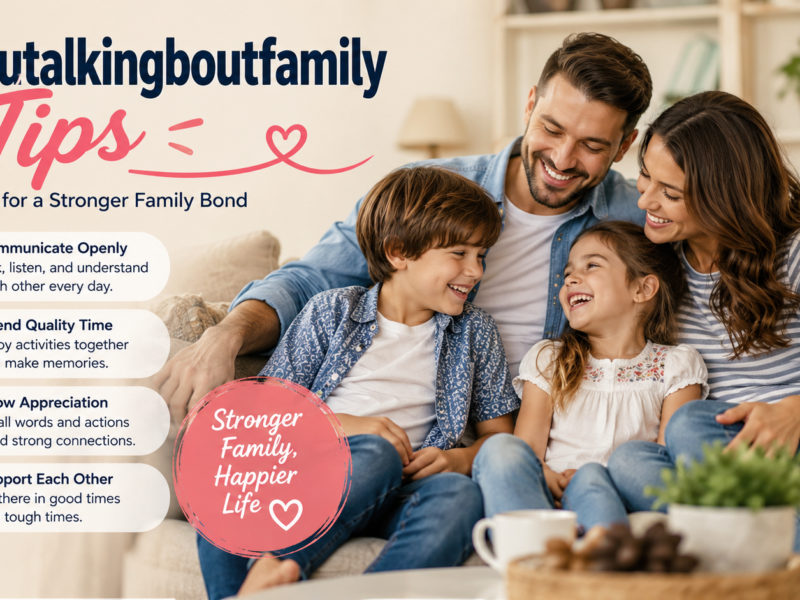
A parenting guide only helps if it survives contact with real life. Famous Parenting gives several useful examples: lay clothes out the night before, build morning checklists, hold family meetings, and use positive reinforcement to notice what children are doing right. Those ideas sound simple because they are simple. That’s the point. Small shifts often beat grand plans because families can keep doing them when life gets messy.
The AAP adds more weight to that advice. Its routines guidance recommends preparing for mornings the night before, keeping goodbyes warm and reassuring, making dinner a time for conversation, and protecting bedtime rituals that help children settle. None of this is glamorous. Still, that’s where the magic lives. A smoother morning can lower conflict. A calmer evening can reduce stress. Repeated daily habits quietly build emotional security and better behavior.
A Simple Weekly Rhythm You Can Actually Use
Think of parenting rhythm like guardrails on a winding road. You still steer, but the path feels safer. A practical week might include one family meeting, a fixed bedtime routine, a shared dinner several nights a week, and clear screen-free times. That kind of structure leaves room for fun while still protecting healthy habits and reducing the “What are we doing now?” chaos that drains parents fast.
A Practical Snapshot of the Method
| FPMomTips idea | Why it helps | Easy example |
| Consistent routines | Children feel secure | Pack school bags before bed |
| Open communication | Kids feel heard | Ask one good question at dinner |
| Positive reinforcement | Encourages repeat behavior | Praise effort, not just results |
| Calm discipline | Lowers emotional heat | Pause before reacting to tantrums |
| Shared family planning | Builds teamwork | Hold a 10-minute weekly family meeting |
| Digital boundaries | Protects balance | Use screen-free meals and bedtime |
These examples reflect the overlap between Famous Parenting’s advice and guidance from the AAP and CDC on routines, communication, and positive parenting.
Tantrums, Big Feelings, and Calm Discipline
One reason parents look up fpmomtips parental guide by famousparenting is that behavior problems don’t wait for convenient timing. Tantrums erupt in grocery aisles, on the school run, or five minutes before a meeting. Famous Parenting recommends a calm response that acknowledges feelings while guiding children toward better ways to express them. That matters because a child in full meltdown usually needs regulation before reasoning. You can’t talk a storm out of being a storm.
The AAP’s advice on time-outs fits here in a useful way. It says parents should warn first, name the behavior clearly, use a quiet place, and apply the tool consistently. It also reminds parents not to overuse time-outs and to combine them with other positive discipline methods. In other words, discipline works best when it teaches, not when it humiliates. Calm correction has more staying power than loud punishment.
Teaching Independence Without Losing Connection
Another valuable piece of the Famous Parenting framework is its push toward age-appropriate independence. Children need support, yes, but they also need chances to do things for themselves. Small responsibilities can build confidence faster than constant rescuing. Letting a child help clean up, manage a checklist, or take part in problem-solving tells them, “You can do hard things, and I’m here if you need me.
That approach mirrors broader child-development guidance. The CDC frames parenting as preparation for independence, not permanent dependence. That’s an important shift. Some parents hear “support” and think they must do everything. In practice, real support often means stepping back a little so your child can step forward. Like teaching a bike ride, you hold on at first, then loosen your grip when balance starts to show.

Screen Time, Family Meetings, and Modern Family Stress
Screens are the elephant in the living room, and sometimes the elephant has its own charger. Famous Parenting brings up screen time as a modern challenge that needs clear boundaries and shared expectations. That advice feels timely because digital media can quietly eat into sleep, conversation, homework, and play. Families often don’t need a total ban. They need a smarter plan that puts real life first.
The AAP’s Family Media Plan gives families a practical way to create those boundaries. It helps parents set screen-free times, screen-free zones, and age-appropriate expectations. That’s a strong upgrade from random arguments about devices. When rules are clear before conflict starts, everyone knows the playing field. Add a weekly family meeting to review what’s working, and you turn tech tension into a problem the family solves together.
Why Community Support Matters More Than People Admit
Parenting can feel lonely even in a noisy house. One of the more overlooked strengths of the FPMomTips pages is their focus on community. Famous Parenting encourages parents to connect with other parents, share resources, and seek professional guidance when needed. That advice may sound simple, but it can be a lifeline. Sometimes another parent’s “We went through that too” can lift a ton of invisible weight.
Support also makes practical sense. Other parents can recommend books, routines, apps, specialists, and strategies that save time and stress. Professional help matters too, especially when a child’s behavior, mood, or family conflict goes beyond everyday challenges. Good parenting doesn’t mean handling every problem alone. Sometimes strength looks less like heroics and more like asking for directions before you drive in circles for another month.
What Makes This Guide Different From Generic Parenting Advice
A lot of parenting content says the same tired things with shinier packaging. What gives this framework more value is how naturally it mixes mindset with action. It doesn’t stop at “communicate better.” It points parents toward family meetings, calm conflict resolution, flexible routines, and practical planning. Then outside sources like the AAP and CDC support those ideas with evidence about consistency, communication, and development. That combination makes the advice feel grounded instead of fluffy.
It also avoids a trap that many parenting guides fall into: pretending every family looks the same. Work schedules vary. Children vary. Stress levels vary. Culture varies. A useful framework leaves room for those differences while still offering structure. That’s why fpmomtips parental guide by famousparenting keeps attracting interest. It gives parents a clear direction without boxing them into one rigid formula. That’s not just smart. It’s practical enough to survive real life.
If you strip away the buzzwords, the heart of fpmomtips parental guide by famousparenting is simple: build routines, communicate clearly, stay calm under pressure, and guide children with both warmth and boundaries. Those ideas aren’t trendy fluff. They match what respected parenting resources also stress about consistency, positive guidance, and healthy family structure. For parents who feel stretched thin, that kind of advice can feel like finding dry ground in a rainstorm.
The real win is that this approach is usable. You don’t need a perfect child, a spotless home, or endless patience. You need a few reliable habits, a calmer response to conflict, and a plan you can repeat. That’s why fpmomtips parental guide by famousparenting works as a strong parenting topic for readers and as a useful article for search intent. It answers what parents actually want to know: how to make family life work better, starting today.